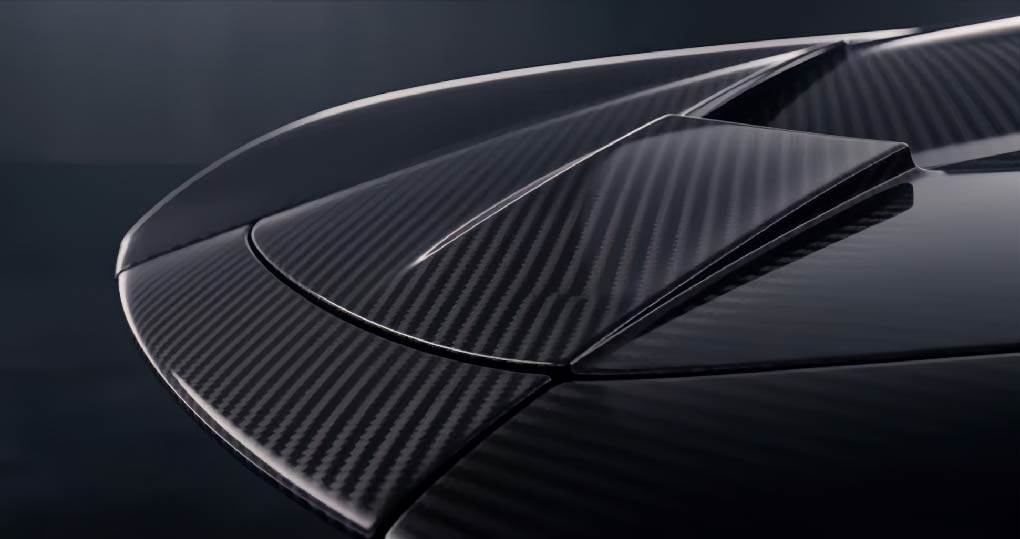
Robotic Pellet 3D Printing Composite Mold Solution
This approach overcomes the limitations of traditional composite mold manufacturing—which relies heavily on CNC milling, manual mold-making, and multi-step post-processing—in terms of lead times, costs, structural adaptability, and production efficiency. It meets the demands of modern manufacturing for flexibility, small-batch production, and a wide variety of products.
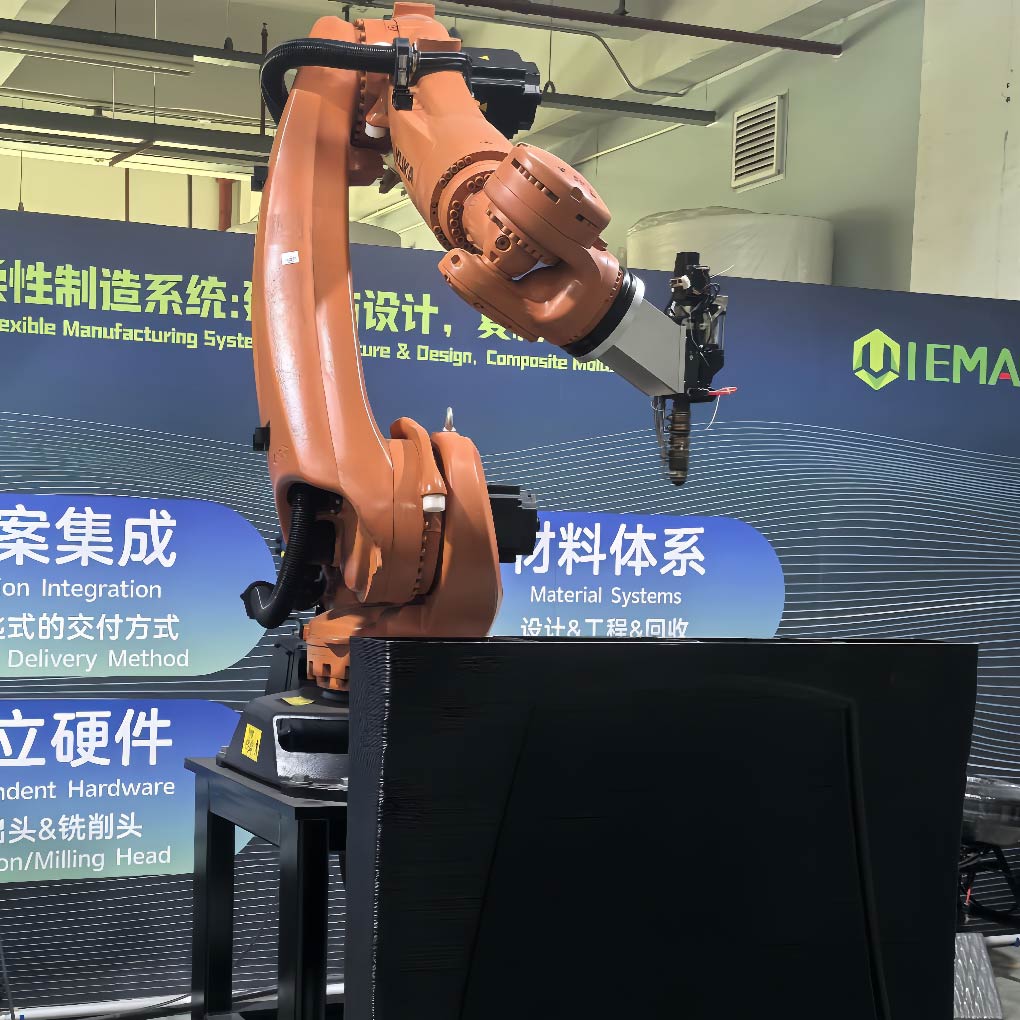
Six-axis free movement
Breaking through the limitations of traditional gantry-style printing, this technology enables seamless 3D processing with no blind spots, completely eliminating the challenges associated with traditional mold splicing and trimming.
10–20 kg/h ultra-high throughput
Combined with high-performance composite pellet extrusion technology, the mold manufacturing cycle has been reduced from several weeks to just a few days, and the cost of small-batch prototyping has been cut by more than 60%.
2.7-meter extra-wide working radius
Large composite molds for wind turbine blades, aircraft fairings, and automotive body panels can be printed directly, eliminating the need for segmented manufacturing and ensuring the mold’s structural integrity and strength.
Print-and-mill integrated process
It can automatically perform high-precision machining, with surface accuracy that meets the requirements of high-end composite forming processes such as autoclave and RTM.
Robotic Arm Pellet 3D Printing Composite Mold Solution integrates three core technologies: the flexible motion of industrial multi-axis robotic arms, large-scale additive manufacturing (LFAM), and high-performance composite particle extrusion.
By eliminating the cumbersome processes of traditional mold making, this solution enables direct rapid prototyping from 3D models to finished molds, creating a new, end-to-end mold manufacturing model that integrates design, printing, finishing, and inspection.
For more detailed specifications on robotic arm-based 3D printing with composite pellets, please click here to visit our homepage.
Key Application Areas
Aviation
Key Advantages: Large-scale, meter-class (wing and fuselage skins) one-piece molding; high precision; high-temperature resistance; lightweight; high material utilization
Material Properties: Carbon fiber-reinforced PEEK, with a temperature resistance of 180–250°C
Applications: Development, modification, and small-batch prototyping of military and commercial aircraft models
VESSEL
Key Advantages: Integrated manufacturing of extra-large molds (hulls, decks, fairings), corrosion resistance, on-site fabrication
Material Properties: Glass fiber/carbon fiber-reinforced engineering plastics, resistant to saltwater spray
Applications: Large-scale shipbuilding, custom yacht construction, on-site repairs
Automotive
Key Advantages: Rapid prototyping of medium-to-large molds (body panels, bumpers, spoilers), low cost, flexible production, and suitability for lightweight applications
Material Properties: Glass-fiber/carbon-fiber-reinforced engineering plastics, balancing strength and cost
Applications: Rapid development of new vehicle models, prototype vehicle manufacturing, and modified vehicles
Combined with our proprietary enhanced composite pellets, these materials offer high-temperature resistance (150–250°C), high strength, low shrinkage, deformation resistance, and corrosion resistance. We can customize material solutions tailored to specific industries and application scenarios to ensure that mold performance is perfectly aligned with production processes.
Carbon fiber-reinforced pellets
Learn More
IEMAI has its own proprietary pellet system
You can find the right materials here